Applications
From architectural glazing to industrial protection, LXC polycarbonate sheets perform across the most demanding environments.
Where It Works
Six Ways to Build with Light
Engineered solutions for light, strength, and thermal control across building types.
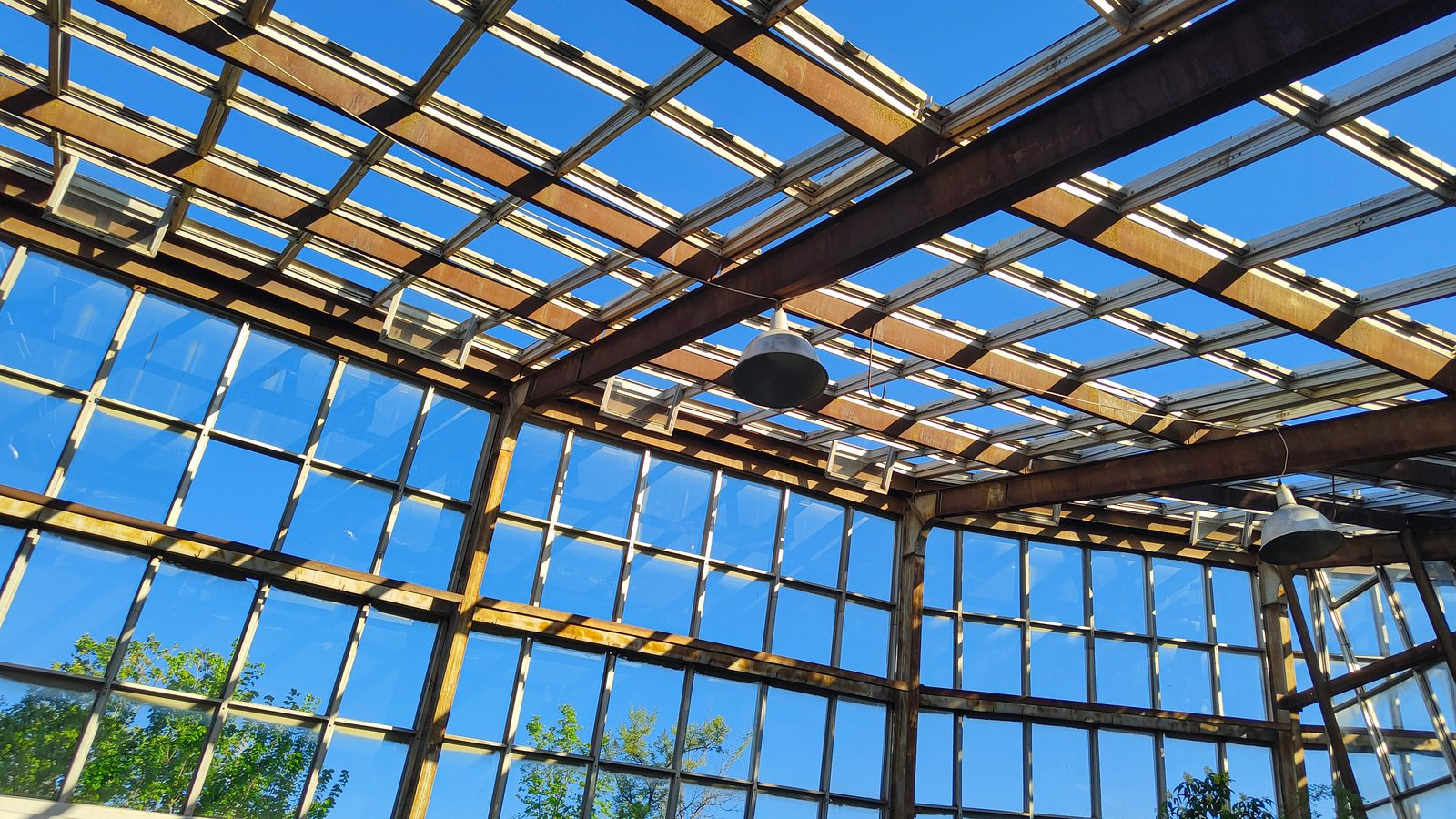
Architectural Roofing
Multiwall polycarbonate delivers diffused daylight with thermal insulation, reducing energy costs while flooding interiors with natural light. UV-protected surfaces maintain clarity year after year in exposed roofline installations, from canopies to full-span industrial roofs.
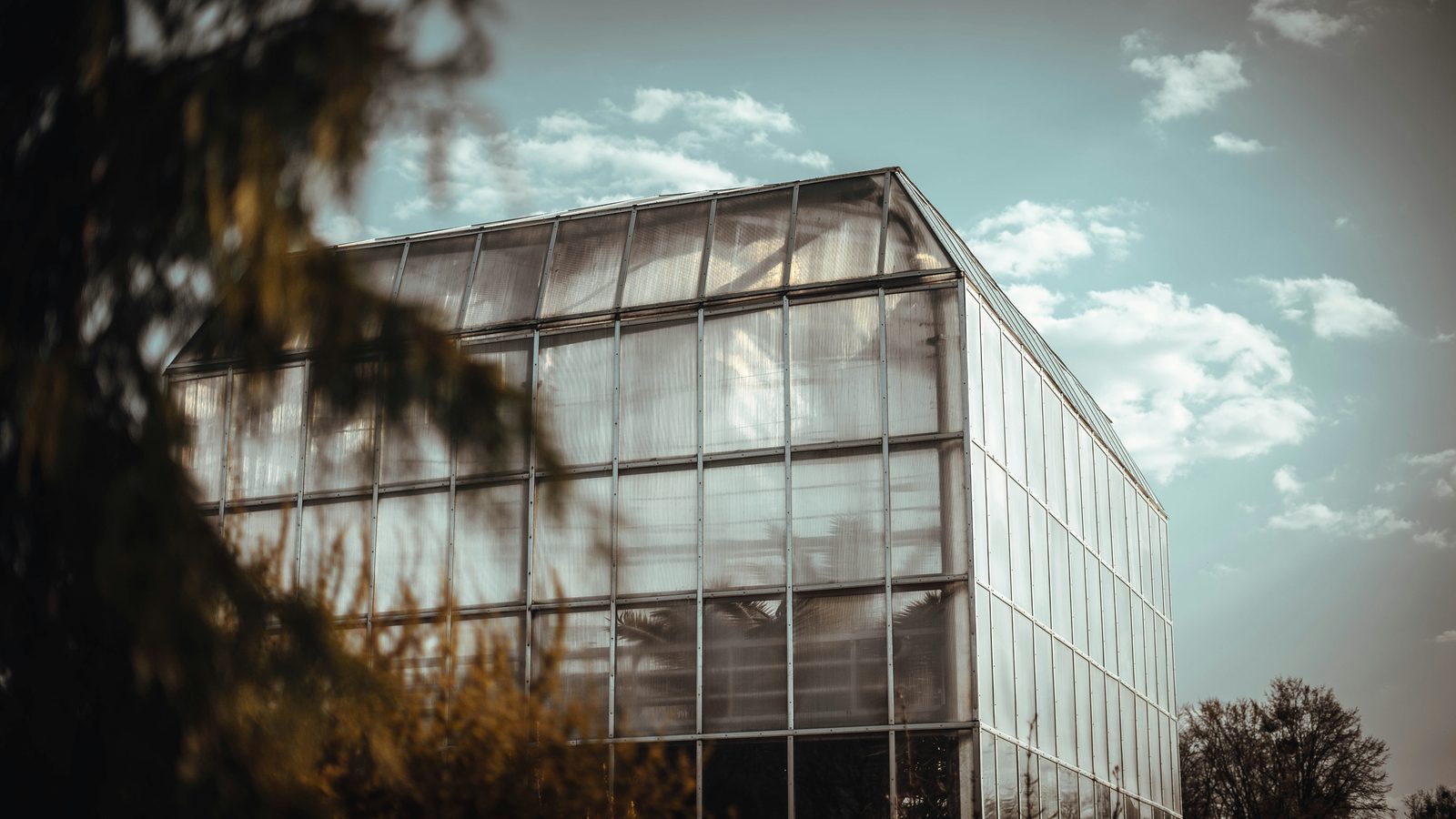
Facades & Wall Cladding
Translucent polycarbonate facades create luminous building envelopes with privacy and daylight control. Structured profiles resist wind loads and thermal cycling while maintaining visual continuity across large wall surfaces and feature entrances.
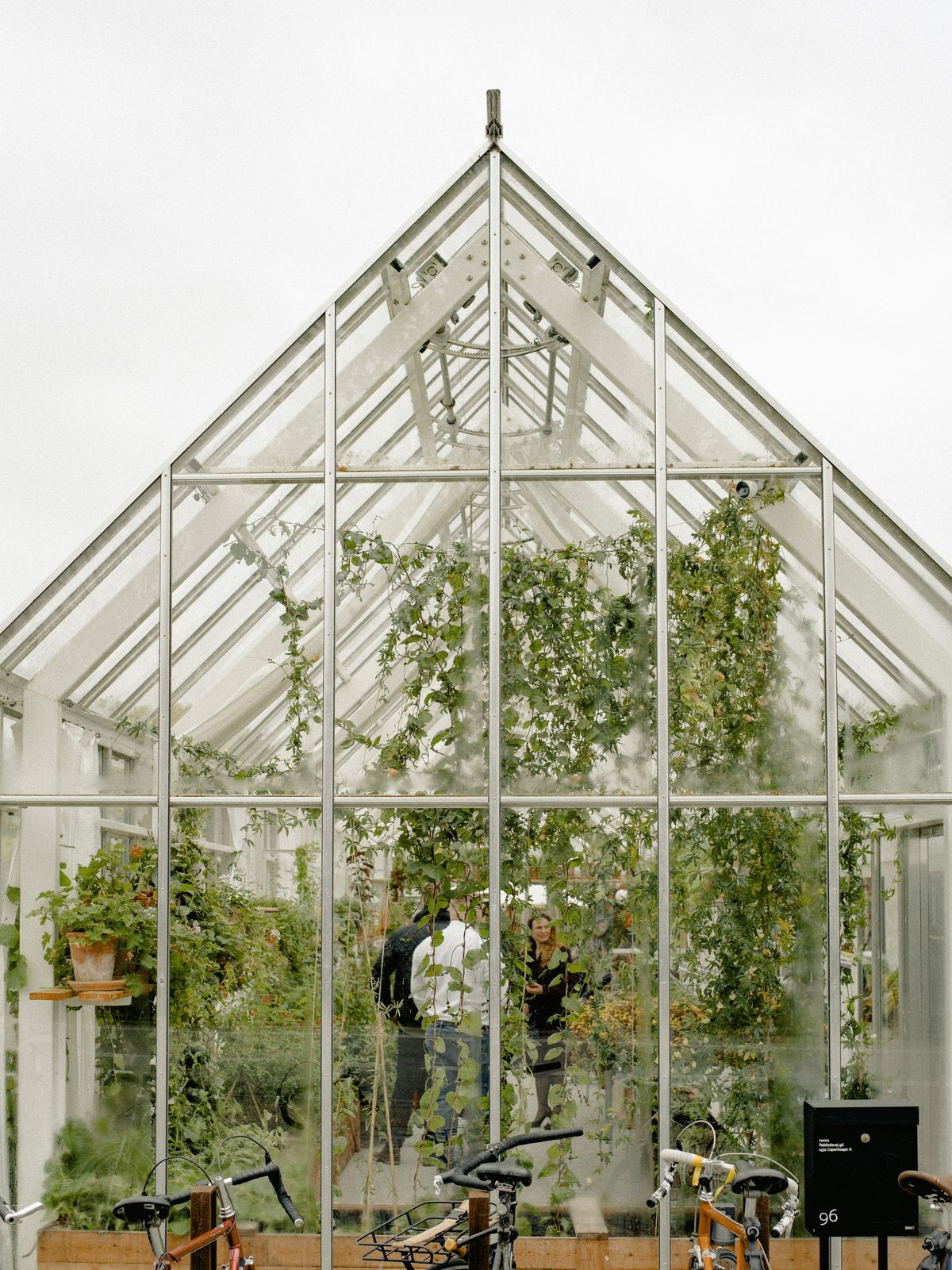
Greenhouse & Agriculture
Light-diffusing polycarbonate panels optimize photosynthetic light while shielding crops from hail and frost. Double-wall construction creates a stable microclimate that extends growing seasons and improves yield for commercial growers.
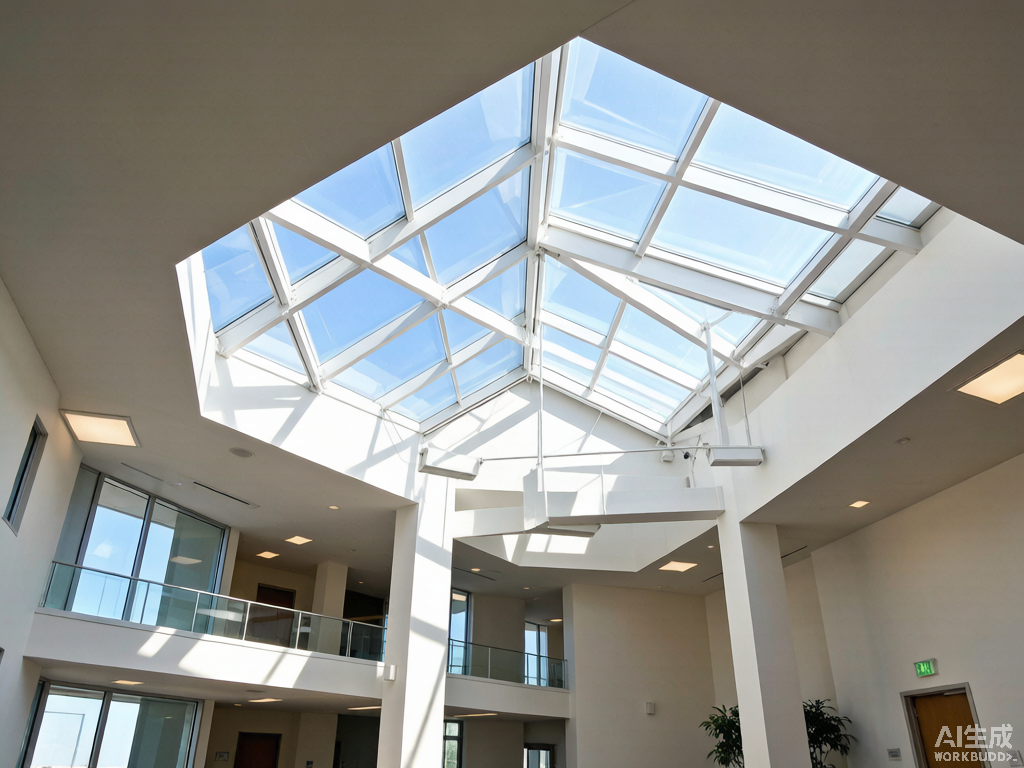
Skylights & Atriums
Crystal-clear solid polycarbonate brings overhead daylight into lobbies, schools, and retail spaces without the weight or breakage risk of glass. Co-extruded UV layers block heat and fading while preserving optical clarity.
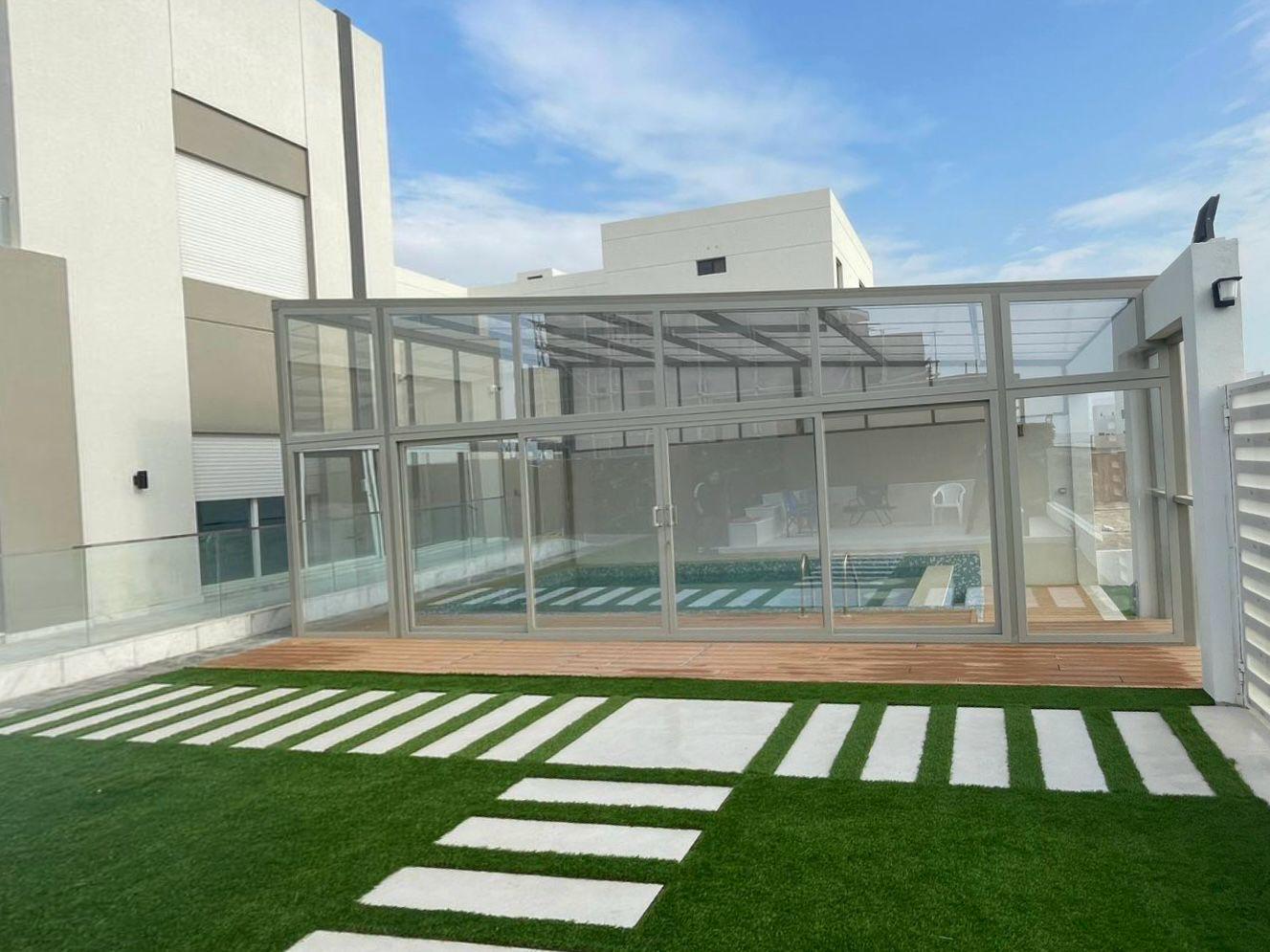
Security & Anti-Vandal Glazing
Compact, thick solid sheets resist impact, ballistic threats, and vandalism where safety is critical. Ideal for public transport, schools, and high-traffic glazing that must survive deliberate abuse.
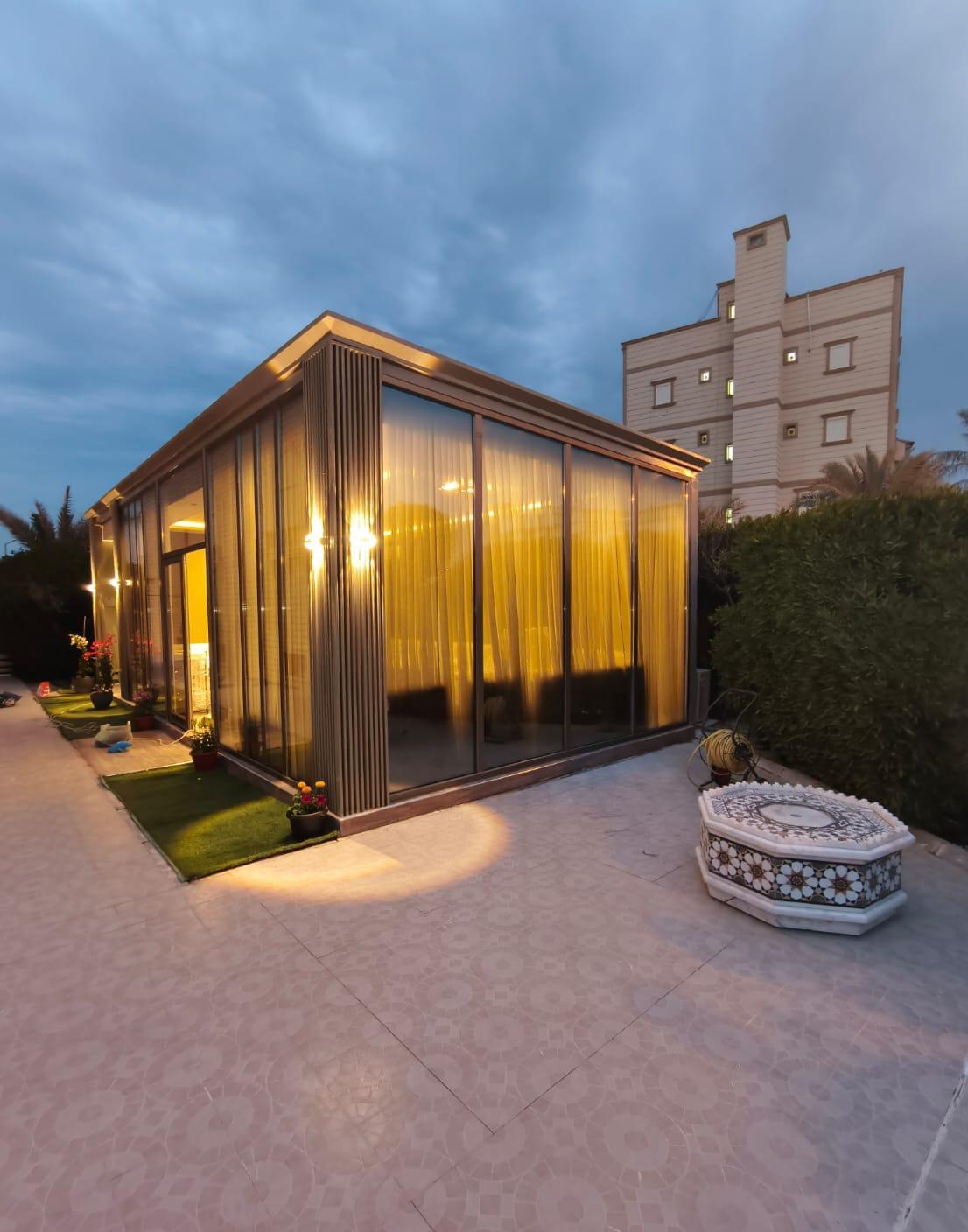
Sound Barriers & Partitions
Transparent polycarbonate acoustic panels reduce traffic and machinery noise without blocking sightlines. Ideal for highway barriers, office partitions, and equipment enclosures where both quiet and visibility matter.
Material Science
Material Comparison
See how polycarbonate stacks up against traditional glazing materials.
| Property | Polycarbonate | Glass | Acrylic (PMMA) |
|---|---|---|---|
| Light Transmission | Up to 89% | Up to 90% | Up to 92% |
| Impact Resistance | 250x stronger than glass | Brittle on impact | 10x stronger than glass |
| Weight | 50% lighter than glass | Heavy | 43% lighter than glass |
| UV Protection | Built-in UV coating | Inherent | Requires coating |
| Thermal Insulation | 1.0 – 3.5 W/m2K | 5.8 W/m2K | 5.0 W/m2K |
| Fire Rating | B1 (self-extinguishing) | Non-combustible | B2 (flammable) |
| Operating Temperature | -40C to +120C | Stable | -40C to +80C |
FAQ
Frequently Asked Questions
Quick answers to common questions about polycarbonate applications.
For most roofing, 6-10mm twinwall or multiwall panels offer the best balance of light diffusion, thermal insulation, and weight. For large clear-span canopies, 16mm multiwall adds rigidity. Always install with the UV-protected face outward and allow for thermal expansion at the fixings.
Yes. Solid polycarbonate sheets with a mass-loaded core or laminated construction provide strong sound reduction while remaining transparent. They are widely used along highways, railways, and around machinery where visibility must be preserved.
Multiwall polycarbonate performs exceptionally well in cold climates. The trapped air layers insulate far better than single glazing, reducing heating demand, while the material stays ductile down to -40C without becoming brittle.
Clean with lukewarm water and a mild non-abrasive soap using a soft cloth or sponge. Avoid solvents, ammonia, or abrasive pads, which scratch the surface. Rinse thoroughly and dry with a chamois to prevent water spotting.
Not Sure Which Solution Fits?
Our technical team will help you specify the right sheet, thickness, and profile for your application and climate.